Seven seconds, ten pairs of glasses, and one fly. Behind this small film is a question that interests me far more than the animation itself: how does an artist’s practice change when a tool can take on an increasing share of the technical work?
As a director, I’m used to working with images and understanding how they are made. I wanted to explore where new technology creates room for artistic thought—and where an easy, ready-made answer might start to replace it.
This solo project became a small practical experiment. I used ChatGPT and Codex to develop a chance observation into a finished film. Along the way, I discovered what I could delegate and what I needed to shape by hand.
It all began with a shop window.
01 / Observation
Finding a character
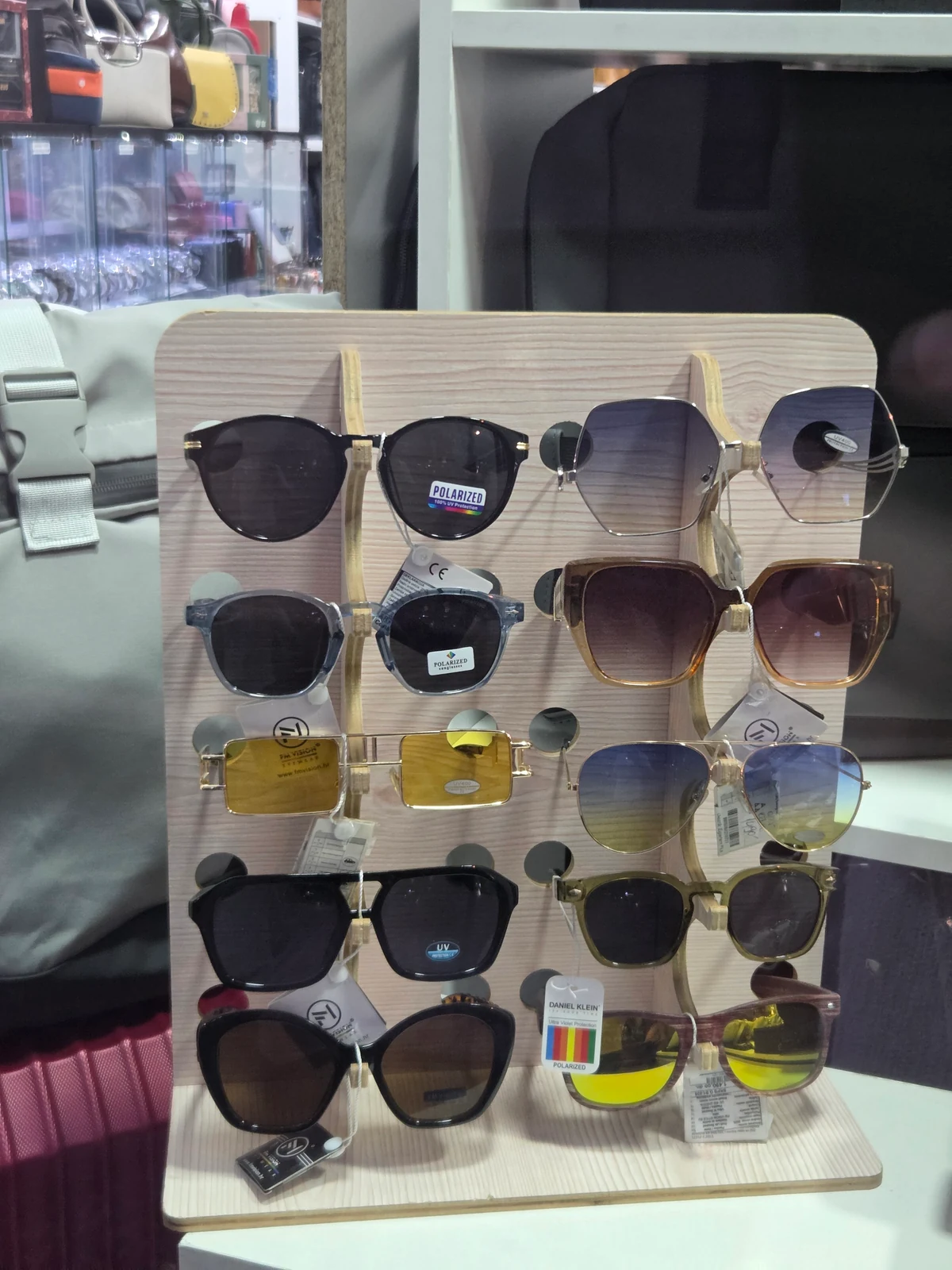
I photographed a display of glasses arranged in neat rows. At first glance, they looked almost identical. But the longer I looked, the more each frame seemed to reveal a personality. One appeared stern, another playful, a third slightly arrogant.
I saw something of society in that display. From a distance, people can seem alike. Look a little longer, and a separate world emerges behind each face.
I wanted to turn that observation into a short art film: keep the photograph and give the glasses a chance to express themselves.
Eyes were enough to get started.
02 / Characters
The personalities were there. Something was missing.
Working with ChatGPT and Codex, I developed different characters through the shape of their eyes, their expressions, and the direction of their gaze. Changing eye colour alone wasn’t enough. Personality had to be present in the drawing itself.
Some looked bored, others irritated or curious. Relationships began to appear, too: two pairs of glasses fell in love and started stealing glances at each other. Can you spot them?
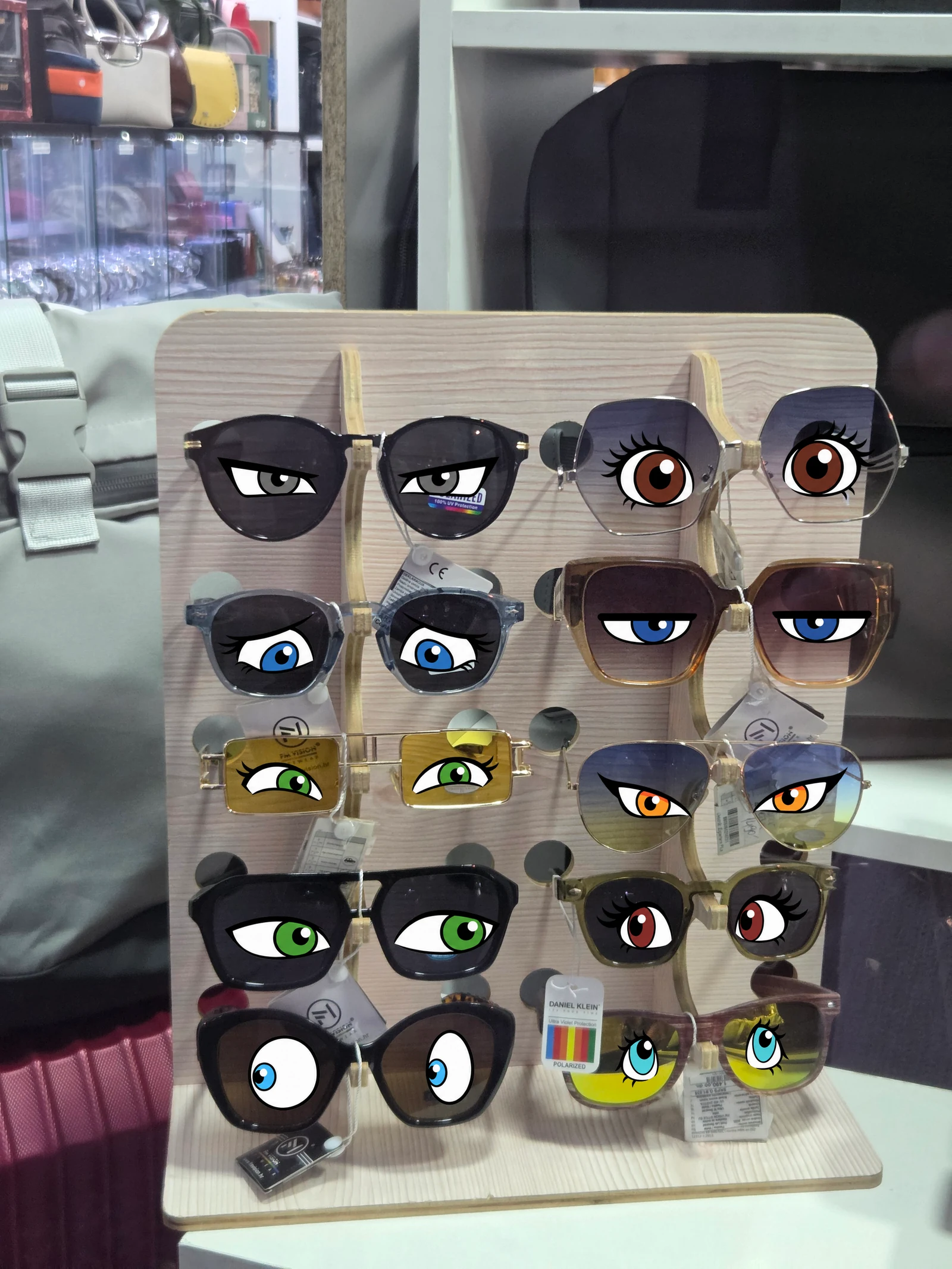
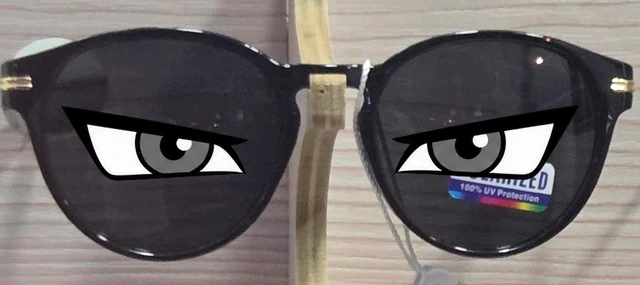
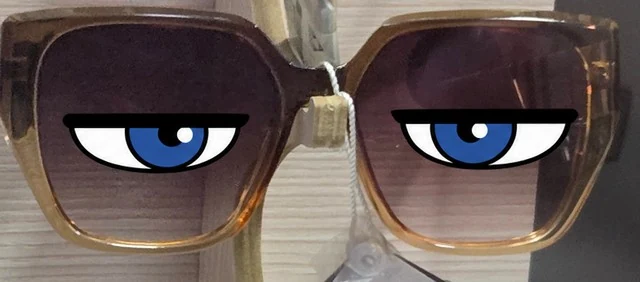
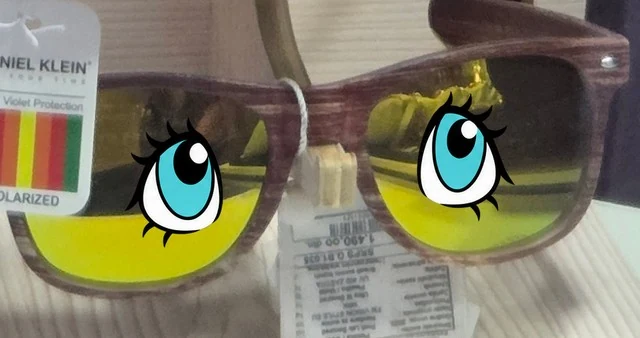
A working rhythm took shape: set a task, review the options, choose a direction, and decide what to try next. Seeing an idea on screen helped me test it. Sometimes the result revealed that I hadn’t yet worked out what I wanted.
The first animation exposed exactly that kind of gap.
I had created individuals, but not a society.
Each character existed in a private world. I needed an event that would bring them together, however briefly.
That was when the fly entered the picture.
03 / Attention
A shared gaze is not yet a shared purpose
Every pair of eyes began to follow the fly. For a few seconds, boredom, irritation, and romance gave way to a common interest. Then the fly left, and everyone returned to their own concerns.
The scene was funny, but the thought behind it mattered to me.
A shared purpose can bring people together, allowing them to create something and act collectively. Yet not everything that gathers attention becomes a meaningful goal. Sometimes a little noise, persistence, and chance are enough.
I liked the ambiguity. The fly could simply be a fly. It could also suggest the latest event that briefly seems important to everyone.
I didn’t want to tell the viewer how to interpret it. But the scene still needed a context.
04 / Magazine
Why the glasses needed a magazine
I imagined the photograph on the cover of a glossy magazine, surrounded by headlines, promises, and competing demands on the reader’s attention.
That became THE FEED.
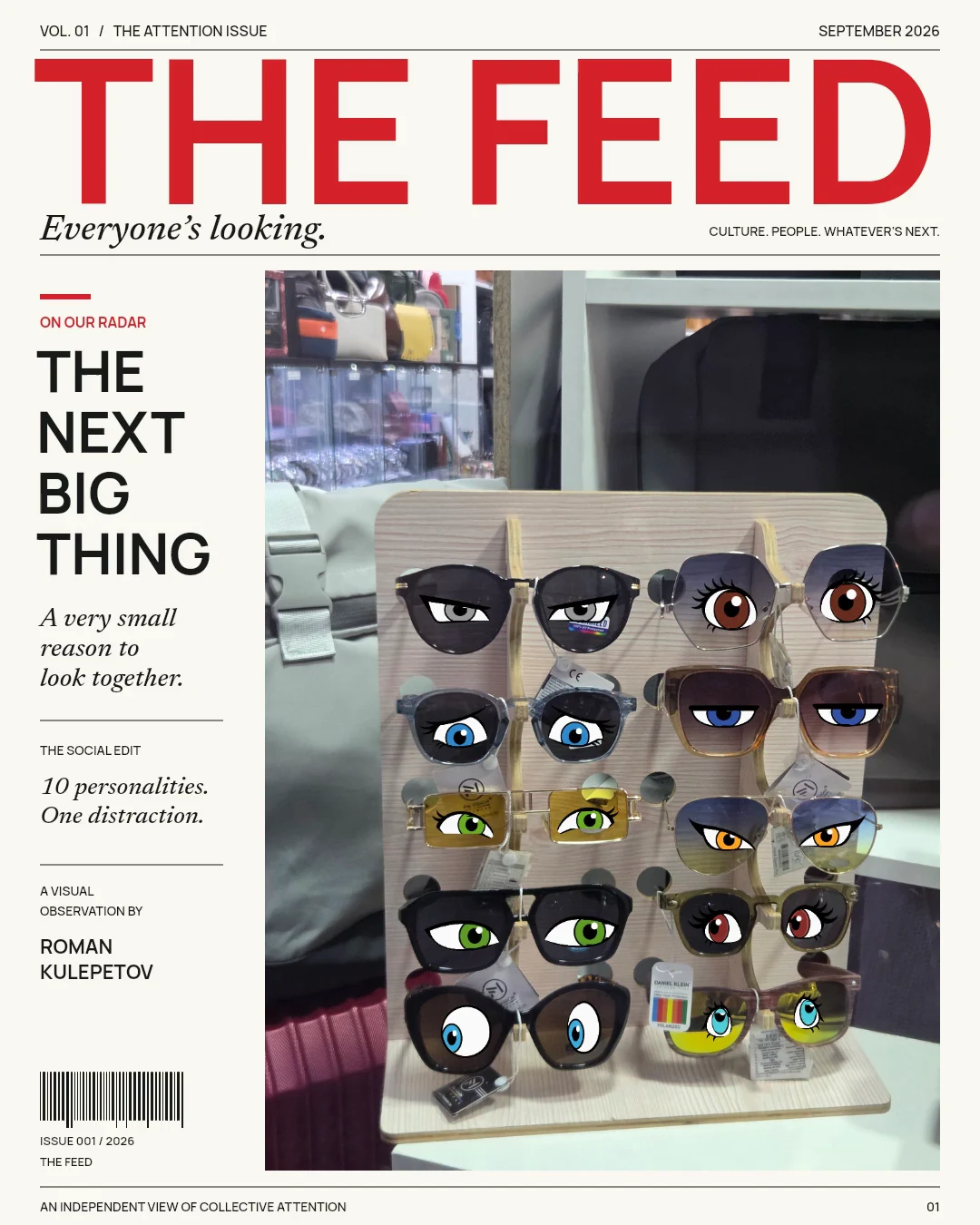
I developed the cover layout, chose a red masthead, and settled on a portrait format. The photograph became part of a page, connecting the story to news, trends, and the constant replacement of one subject of attention with another.
Then I made another important decision: I let the fly escape the photograph.
It crosses the text, passes over the cover, and disappears beyond the outer edge. It has no interest in who is watching. A small external event briefly controls the entire scene without even noticing its inhabitants.
That was when the final image came together for me: distinct personalities sharing a space, while something outside it directs every gaze for a few seconds.
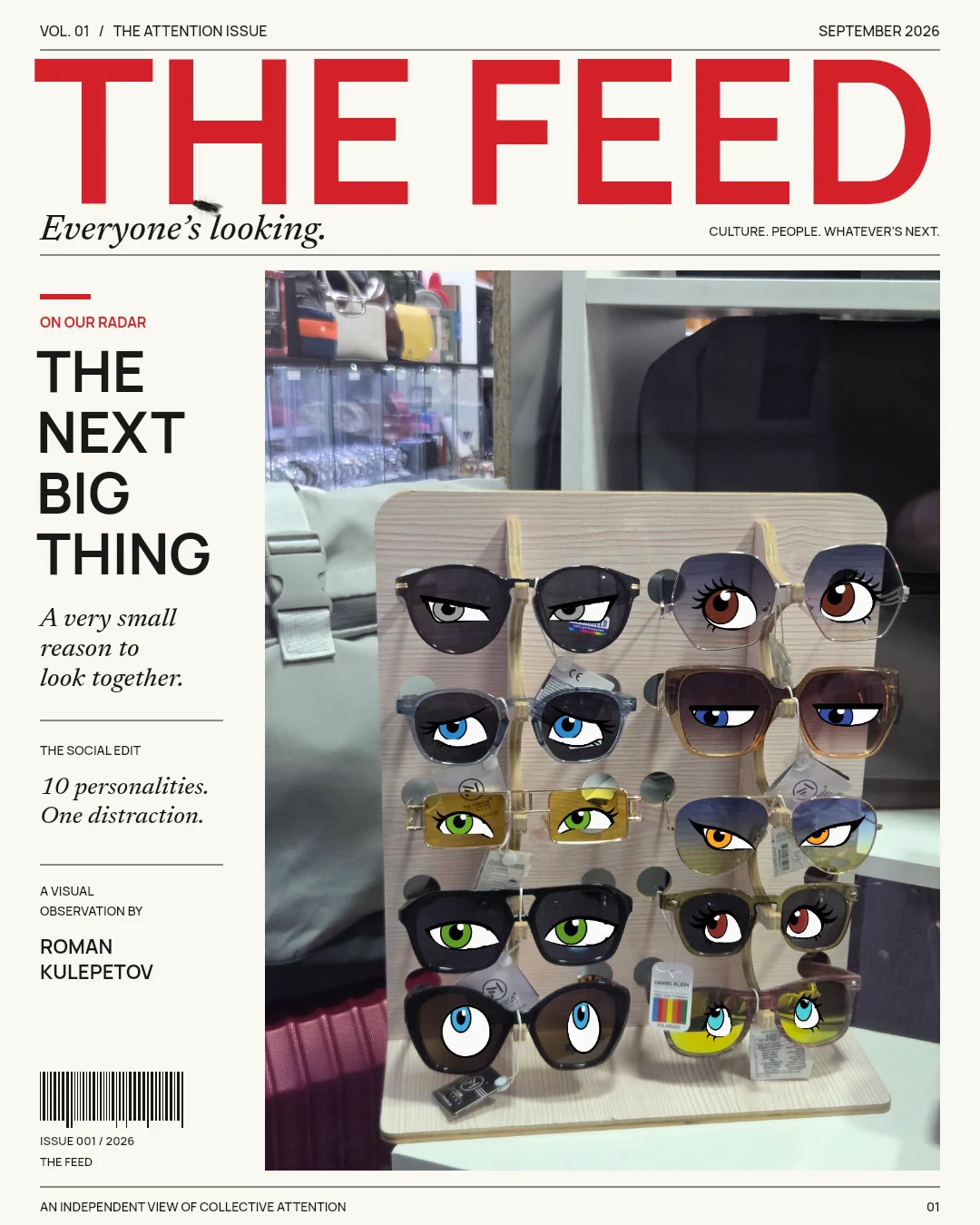
05 / Movement
The movement needed my own hand
Making the fly convincing was harder than deciding what it meant.
The first attempts, using a flat image, felt mechanical. I wanted a more lifelike fly against the deliberately stylised eyes, so I moved to a simple 3D model.
Codex prepared a scene in Maya. But the animation it produced didn’t feel right.
For me, animation is one of the most direct ways to express character. What matters is not simply where something moves, but how it accelerates, turns, hesitates, or suddenly disappears. The rhythm and spacing of those movements create the impression of a living creature.
In this project, that feeling emerged through my own adjustments. Movement that was technically correct wasn’t enough.
Once I was satisfied, I could hand the rendering and assembly back to Codex. It processed the scene and combined the fly with the image, without my having to carry out every repetitive step.
A useful division of work emerged: I shaped the movement that mattered artistically and used the tool to handle its technical execution.
06 / Film
A fly you cannot ignore
Sound added the final layer of meaning.
From several musical options, I chose the light, relaxed Latin Lovers. It suggests an easy rhythm of life, with everyone absorbed in their own small concerns.
The fly interrupts that balance.
I gave it a thick, insistent buzz, noticeably louder than the music. Now it captures the viewer’s attention as well as the characters’. It becomes the main event, whether anyone wants to hear it or not.
Then it leaves. The music comes back into focus. Life resumes.
At that point, I stopped. More symbols, effects, or explanations would only have weakened the scene.
07 / Reflection
What I learned from those seven seconds
This project gave me a way to test a different approach to making work on my own.
The idea wasn’t complete at the beginning. It developed as I reviewed each version: from individual personalities to collective attention, from the fly to the magazine, from image to sound. Being able to see the next attempt quickly helped me keep thinking.
In that sense, AI acted as a mirror for the idea. It returned something I could examine—sometimes accurately, sometimes with mistakes that helped me define what I was looking for.
I remain responsible for the artistic decisions. I have to judge what carries meaning, where a movement feels empty, which image deserves further development, and when the work is finished. A generated result, however polished or technically sound, doesn’t answer those questions by itself.
At the same time, I was able to complete the project independently while spending less time on repetitive tasks. My technical background helped me choose methods, assess the results, and change direction when an approach failed. Codex shortened the distance between a decision and something I could review.
That is the possibility I see in these tools: a way to sustain a creative impulse before it gets lost in a long list of production tasks.
I’d like to exchange experiences with other artists.
Which parts of your practice would you hand over to AI—and which do you need to keep in your own hands?
Credits and materials
Concept, photography, creative direction and manual animation revisions: Roman Kulepetov. AI-assisted eye artwork and technical production with ChatGPT / Codex, under Roman Kulepetov’s direction.
3D fly: Low Poly House Fly (Diptera) by Glowbox 3D, used under CC BY 4.0. Changes include separated wings, material adjustments, animation, lighting and rendering. No endorsement is implied.
Music: Latin Lovers — Ahjay Stelino, Mixkit item 39 (license). Sound effect: Large fly buzzing, Mixkit item 41 (source, license). Edited and mixed into the film.
Cover typography: Manrope / Newsreader Italic. THE FEED is a fictional magazine created for this personal project. No commission or endorsement by the brands visible in the photograph is implied.